
Lower Back Pain after sitting is common among desk workers, remote workers and drivers. Long periods in one position may contribute to discomfort. Muscles tire, joints stiffen, and the body gets little variety in movement. But the cause differs from person to person. Sitting is rarely the whole story. Stress, sleep, fitness, past injuries and your workstation can all play a part. The reassuring news is that, according to Healthdirect, the large majority of back pain cases (more than nine in ten) do not come from a serious medical condition. There are also practical steps you can take.
Why Does Your Lower Back Hurt After Sitting for Long Periods?
Several factors can combine to cause lower back pain from sitting too long.
- Staying in one position. Holding the same posture for hours keeps the same muscles and tissues under steady load. Think of holding a light bag at arm’s length. It feels easy at first, then uncomfortable.
- Reduced movement. Movement helps muscles and joints stay comfortable. A day of meetings, screen work and a long commute can leave little room for it.
- Workstation and chair setup. A low screen, a seat that is too high or a chair with poor back support can encourage slouching or leaning forward. These positions are not harmful in themselves, but they may add to discomfort for some people.
- Muscle fatigue and sensitivity. Muscles around the lower back and hips can tire when held still. Stress and poor sleep can also make the area more sensitive.
- Previous back problems and other factors. An old injury, past episodes of back pain, arthritis or a recent change in activity can make you more sensitive to long sitting.
The research is also less clear-cut than many people expect. Researchers at Deakin University pooled results from many studies and found no link between long periods of sitting, including at work, and lower back pain. They still encourage breaking up long sitting spells, because general physical activity supports back health.
That does not mean your pain is imaginary. It means sitting is one piece of a bigger picture.
Why Does Your Back Hurt When You Stand Up After Sitting?
Back pain when standing up after sitting is a very common complaint. After a long sit, your muscles and joints have been still, and your hips have been bent for hours. Standing changes the load on your body quickly. The result can be stiffness, a “locked up” feeling or a dull ache in the lower back.
For many people, this settles within a few minutes of walking around. That pattern usually points to temporary stiffness rather than something serious.
Pay attention if your symptoms are sharp, severe or getting worse. The same applies if they spread into your leg or last for weeks. In those cases, a proper assessment is a sensible next step.
How to Reduce Lower Back Discomfort After Sitting All Day
These are general tips, not a program for everyone. If any activity significantly worsens your symptoms, stop and seek advice.
1. Take regular movement breaks
There is no magic number. A short break every half hour or so is a practical starting point. Stand up when you take a phone call, refill your water bottle or walk to a colleague’s desk instead of sending a message.
2. Change your sitting position
A useful rule is that the best position is the next one. Shift your weight, sit back in your chair, then sit more upright. If you have a sit-stand desk, alternate between the two.
3. Adjust your chair, desk and screen where practical
Aim for feet supported, a chair that supports the natural curve of your lower back, and a screen near eye level. Keep your keyboard close so you are not reaching forward.
Drivers can apply the same thinking. Before a long drive, set up your seat, mirrors and steering wheel properly, and plan stops to get out and stretch. Healthdirect gives similar advice. This may help with lower back discomfort after driving.
4. Build in walking and regular physical activity
Healthdirect describes staying active as the best-supported way to manage non-specific back pain, and notes that too much rest can make symptoms worse. A walk at lunchtime or after work is an easy place to start.
5. Consider gentle mobility exercises
Slow movements, such as gentle pelvic tilts or easy hip stretches, suit some people. They may not suit others. Move within a comfortable range and stop if your pain climbs. If you are unsure, ask a health professional to recommend exercises for your situation.
When Should You Seek Professional Help for Lower Back Pain?
Consider an assessment if your lower back pain:
- Has not improved after about six weeks
- Keeps coming back
- Is getting worse
- Interferes with your sleep, work or daily activities
- Spreads into your buttock or leg
Healthdirect advises seeing a doctor if the pain has not eased after around six weeks, or if it disrupts your sleep or daily routine.
Safety note: seek urgent medical assessment if you experience any of the following.
- New bladder or bowel control problems
- Numbness around the groin or saddle area
- Significant or progressive weakness in your legs
Call triple zero (000) or go to your nearest emergency department. The same applies if your back pain follows a significant injury or comes with a fever or feeling generally unwell.
Can a Chiropractor Help With Lower Back Pain After Sitting?
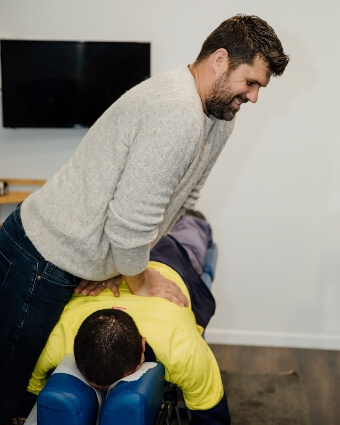
A chiropractor can be one option for people with ongoing or recurring back discomfort. At an initial appointment, a chiropractor will usually ask about your symptoms, work and sitting habits, daily activity and medical history. They may then assess how you move, how your spine and hips function and which positions or movements bring on your symptoms.
Depending on the findings, care options may include hands-on techniques, movement and exercise advice and practical workstation suggestions. Results vary between individuals, and no practitioner can guarantee a particular outcome. Chiropractic care is not necessary for every case of back pain. A good practitioner will also refer you to a GP or other health professional when your symptoms call for it.
If you would like to know more, you can read about back pain care at Jimboomba Chiropractic to see how the clinic approaches back concerns.
Lower Back Pain Chiropractic Care in Jimboomba and Nearby Suburbs
Jimboomba Chiropractic is based in Jimboomba. It is a local option for people with back pain in the wider area, including Flagstone, Yarrabilba, Logan Village, North Maclean, South Maclean and Greenbank. Whether your day involves desk work, working from home or time behind the wheel, an assessment can help you understand what may be contributing to your symptoms.
Frequently Asked Questions
Why does my lower back hurt after sitting all day?
Holding one position for hours can tire muscles, stiffen joints and reduce movement. Your chair setup, past back problems, stress and general fitness may also contribute. The cause varies between people, so persistent or worsening pain is worth discussing with a health professional.
Why does my back hurt when I stand up after sitting?
After a long sit, muscles and joints can feel stiff when you change position quickly. This usually eases after a few minutes of walking. If the pain is sharp, lasts for weeks or spreads into your leg, have it assessed by a doctor or other health professional.
Can sitting too long cause lower back stiffness?
It can. Many people notice stiffness after long periods without movement. Research on sitting and back pain is mixed, though, and sitting is rarely the only factor. Breaking up long sitting periods and staying active are sensible steps for most people.
When should I see a chiropractor for lower back pain?
Consider an assessment if your pain keeps returning, lasts beyond a few weeks or interferes with work or sleep. Not every case needs chiropractic care. Urgent symptoms, such as bladder or bowel changes, saddle numbness or worsening leg weakness, need immediate medical attention instead.
How can I reduce lower back discomfort while working at a desk?
Take short movement breaks, change positions often and adjust your chair and screen so your feet are supported and the screen sits near eye level. Add regular walking during the day. Stop any activity that significantly worsens your pain.
Book an Appointment With Jimboomba Chiropractic
Whether you are experiencing Back Pain, Sciatica, Neck Pain, Headaches, muscle tension, joint discomfort or pregnancy-related aches, Jimboomba Chiropractic offers personalised chiropractic care to support your comfort, mobility and everyday movement. We also provide care for people seeking support with posture-related discomfort, stiffness and sports-related aches and pains.
If your symptoms keep returning, affect your sleep, make work difficult or interfere with daily activities, it may be worth speaking with a chiropractor. Contact Jimboomba Chiropractic to discuss your concerns and find out whether chiropractic care may be suitable for your needs.