
Worried that chiropractic care might be too rough for an older parent, or for yourself as you get older? The good news is that chiropractic care can be perfectly suitable for older adults, as long as the approach is adjusted to suit their body and health history. Gentler techniques, a thorough assessment, and close attention to bone health mean chiropractic care can safely support mobility and independence well into later life. Below, we walk through how this works in practice, what changes for older patients, and where to find a chiropractor near you in Jimboomba, Logan, Yarrabilba, Logan Village, Flagstone, Cornubia, and Greenbank.
Why This Comes Up So Often
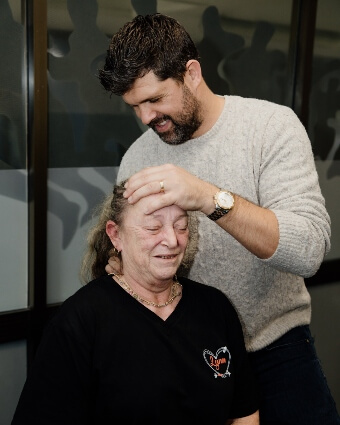
Many older adults, or their adult children, assume chiropractic adjustment is too forceful for an ageing spine. This is a fair concern, especially if someone has osteoporosis, arthritis, or a history of fractures. The good news is that chiropractic care is not one single technique applied the same way to everyone. It is adjusted to the person in front of you.
A good chiropractor takes a detailed health history before any treatment, including bone density, previous injuries, medications, and any diagnosed conditions like osteoporosis. This information shapes exactly which techniques are appropriate and which should be avoided. For older patients, this usually means lower-force techniques rather than the firmer manual adjustments used for younger, more robust patients. The goal is always the same, improving movement and reducing pain, but the method is matched to what the body can safely handle.
How Treatment Looks Different for Older Patients
Older adults often respond well to gentler, low-force approaches. Instrument-assisted techniques, which use a small, controlled amount of pressure instead of a manual thrust, are commonly used where a firmer adjustment would not be appropriate.
Soft tissue therapy, mobility work, and guided exercise also play a bigger role in care for older patients, since maintaining strength and balance becomes just as important as treating any specific pain. Treatment plans tend to focus on function and independence, not just pain relief in isolation.
Common Concerns Chiropractic Care Can Help With in Later Life
- Stiffness and reduced mobility in the neck, back, or hips
- Ongoing lower back pain from years of wear and tear
- Balance issues that increase the risk of falling
- Postural changes that affect breathing and daily comfort
- General aches that make everyday tasks harder than they used to be
These concerns often build up gradually, which means many older adults simply accept them as a normal part of ageing rather than seeking help. In many cases, a proper assessment can identify simple, manageable contributors to stiffness and discomfort.
Chiropractic Care and Fall Prevention
Falls are a serious concern for older Australians, and Healthdirect notes that improving strength and balance through appropriate exercise is one of the most effective ways to reduce fall risk.
Chiropractic care that includes mobility and balance-focused exercises can support this goal alongside general medical advice. It is not a replacement for a falls prevention program, but it can be a useful part of a broader plan to stay steady and confident on your feet.
The Queensland Government’s healthy ageing guidance recommends regular moderate activity for people over 65, and staying mobile through appropriate chiropractic and exercise support fits well within that approach.
What to Expect at Your First Visit as an Older Adult
Your first appointment will usually involve a detailed discussion of your health history, current medications, and any diagnosed conditions, followed by a physical assessment of your posture, movement, and joint function.
Your chiropractor should clearly explain which techniques they plan to use and why, and should always be willing to adjust the approach based on your comfort and any health conditions you mention. You should never feel pressured into a technique that does not feel right for your body.
When Chiropractic Care May Not Be Appropriate
Chiropractic care is not suitable for everyone in every situation. Severe osteoporosis, certain spinal conditions, or recent fractures may mean chiropractic adjustment needs to be avoided or significantly modified. A responsible chiropractor will screen for these factors and refer you to your doctor or another specialist if chiropractic care is not the right fit at that time.
This is exactly why a proper history and assessment matters so much more for older patients than for a younger, generally healthy adult.
Why Choose a Local Chiropractor for Senior Care
Choosing a chiropractor who understands the specific needs of older patients makes a real difference. Jimboomba Chiropractic has a strong interest in healthy ageing, mobility, and balance, and works with older patients across Jimboomba, Logan, Yarrabilba, Logan Village, Flagstone, Cornubia, and Greenbank to help them stay active and independent for longer.
Learn more about our approach on the Jimboomba Chiropractic website, or contact us to discuss whether chiropractic care is suitable for you or a family member.
Frequently Asked Questions
Is it safe for older adults to see a chiropractor?
Yes, when the approach is tailored to the individual, using gentler techniques where appropriate and taking bone health and medical history into account.
Can chiropractic care help with balance and fall risk?
It can support balance and mobility as part of a broader falls prevention approach, though it should complement, not replace, medical advice for anyone at high risk of falling.
Is chiropractic treatment safe for someone with osteoporosis?
It can be, but techniques need to be adjusted or, in some cases, avoided depending on severity. Always disclose an osteoporosis diagnosis before treatment begins.
At what age should someone stop seeing a chiropractor?
There is no set age limit. Many older adults continue chiropractic care well into their eighties and beyond, provided the approach is suited to their health needs.
Will chiropractic adjustments hurt an older person’s joints?
Properly tailored treatment should not be painful. Lower-force techniques are commonly used for older patients to avoid unnecessary strain on the joints.